 Vietnamnet.vn

 Podcast



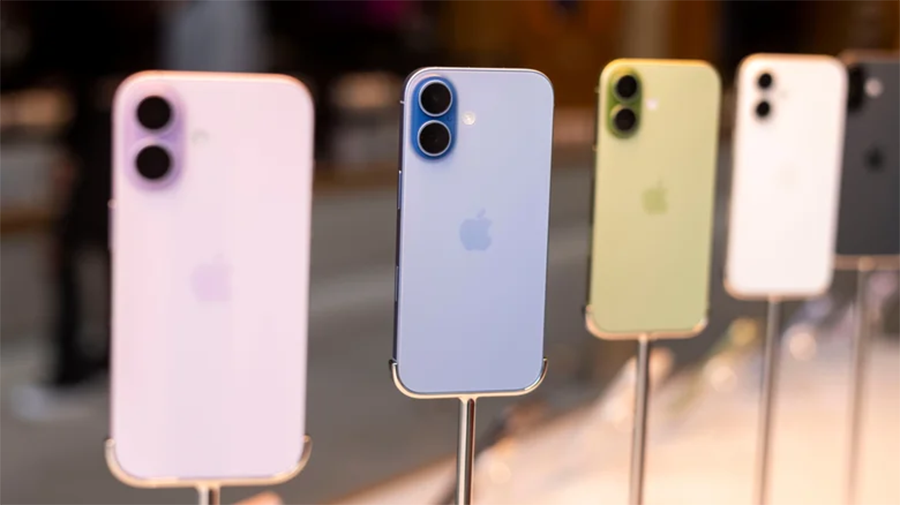
Apple is traditionally expected to unveil the iPhone 18 lineup in September 2026, but recent reports suggest the company may be preparing a significant change to its product launch strategy.
According to industry sources, only three models - the iPhone 18 Pro, iPhone 18 Pro Max and Apple's first foldable iPhone - are expected to debut this fall. The standard iPhone 18 could be delayed until spring 2027, potentially alongside the iPhone 18e and the second generation of the iPhone Air.
Although Apple has not officially confirmed these plans, consumers considering their first iPhone purchase or looking to upgrade from an older device may find that waiting until 2027 is not the smartest move. Instead, the standard iPhone 17 is shaping up to be one of the most compelling iPhones Apple has released in years.
The iPhone 17 delivers a near-Pro experience
What makes the iPhone 17 particularly attractive is Apple's decision to bring several features previously reserved for Pro models to the standard version without raising the price. Such a move has been rare throughout the iPhone's history.
The iPhone 17 starts at $799, or $829 when purchased directly from Apple without carrier activation. That pricing remains unchanged from the previous-generation iPhone 16.
However, buyers receive substantially more value. Base storage has increased to 256GB, double the 128GB offered on the standard iPhone 16. In an era of increasingly larger apps, photos and videos, that upgrade alone represents a meaningful improvement.
The display is another standout feature. The iPhone 17 uses the same 6.3-inch panel found on the iPhone 17 Pro, meaning users can experience Apple's 120Hz ProMotion technology on a standard iPhone for the first time. The smoother refresh rate significantly improves scrolling, animations and overall responsiveness.
The screen also reaches a peak brightness of 3,000 nits and supports Always-On Display, allowing key information to remain visible even when the phone is locked. These features were previously exclusive to Apple's more expensive Pro devices.
Under the hood, the iPhone 17 is powered by the new A19 chip and features a dual 48MP rear-camera system alongside an 18MP front-facing camera similar to those found on the Pro models. Battery life has also improved, while wired charging speeds can reach up to 40W.
Taken together, the iPhone 17 offers an experience remarkably close to the Pro lineup at a far more accessible price point.
The iPhone 18 may not be a dramatic leap forward
If Apple maintains its current strategy, the standard iPhone 18 is unlikely to create a significant gap between itself and the existing iPhone 17.
Rumors suggest the device will feature the new A20 processor built on a 2nm manufacturing process, along with 12GB of RAM and Apple's next-generation in-house C2 modem. The company may also adopt a new Samsung camera sensor to improve imaging performance.
Yet for most everyday users, those upgrades may not translate into a dramatically different real-world experience. By comparison, the jump from the iPhone 16 to the iPhone 17 appears much more noticeable.
Design changes are also expected to be modest. Reports indicate the iPhone 18 will retain a look similar to the iPhone 17, potentially featuring a slightly brighter display and a smaller Dynamic Island. The 120Hz refresh rate and Always-On Display are expected to remain standard features.
Another possible change involves the Camera Control button. Apple is rumored to be removing the capacitive sensors currently associated with the feature in favor of a simpler design.
Overall, the iPhone 18 appears more likely to be a refinement of an existing formula rather than a revolutionary upgrade.
Pricing remains a major question mark
Another reason waiting may be less appealing is uncertainty surrounding pricing.
Many reports predict that the iPhone 18 will continue to start at $799 with 256GB of storage. However, there is no guarantee Apple will be able to maintain that pricing.
The smartphone industry has faced increasing cost pressures in recent months due to the rapid expansion of artificial intelligence technologies. Massive demand for memory and storage components used in AI systems has pushed component prices higher across global supply chains.
Apple is reportedly absorbing much of those additional costs to remain competitive, while several rival smartphone manufacturers have already raised prices on new devices. If the trend continues, an iPhone 18 price increase cannot be ruled out.
At the same time, wireless carriers in many markets are already offering aggressive promotions on the iPhone 17, with some customers eligible to receive the device at no additional cost through contract plans. That makes the phone even more attractive today.
Budget buyers still have strong options
For consumers seeking the lowest-cost path into Apple's ecosystem, the company currently offers two appealing alternatives: the $699 iPhone 16 and the $599 iPhone 17e.
Both devices share many similarities, but each has distinct advantages.
The iPhone 17e is the newer product, launching in spring 2026. It uses the same A19 processor as the standard iPhone 17, includes 256GB of base storage, offers longer battery life and features the more durable Ceramic Shield 2 glass.
However, the iPhone 17e includes only a single rear camera and supports slower MagSafe charging compared with the iPhone 16.
The iPhone 16, on the other hand, supports wireless charging speeds of up to 22W, significantly faster than the 15W offered by the iPhone 17e. It also includes Dynamic Island and delivers higher outdoor brightness, while the iPhone 17e retains the traditional notch design.
Whichever model consumers choose, they can purchase a capable and modern iPhone today without waiting many additional months.
If current rumors prove accurate, the standard iPhone 18 will not arrive until spring 2027. Based on what is known so far, the expected upgrades may not be significant enough to justify postponing a purchase for that long.
Hai Phong
.svg)
